
The Importance of Foot and Ankle Care in Jersey City Health and Medicine
Foot and ankle health is a foundational element of overall physical well-being, influencing how people move, work, and maintain independence throughout their lives. In densely populated urban environments, where daily life often involves extensive walking, commuting, and prolonged standing, the demands placed on the lower limbs are significant. As a result, foot and ankle care in Jersey city are not only common but also increasingly relevant within modern healthcare discussions.
Within the broader health and medicine landscape, specialized foot and ankle care plays a crucial role in preventive treatment, injury management, and long-term mobility preservation. By addressing issues early and supporting recovery effectively, this field helps residents maintain active, pain-free lifestyles in demanding urban settings.
The Foundation of Movement and Posture
The feet and ankles form the structural base of the human body, supporting weight, absorbing impact, and enabling movement. Every step taken in daily life, from walking to work to climbing stairs, relies on the coordinated function of bones, muscles, tendons, and ligaments in the lower limbs.
When foot or ankle function is compromised, the effects often extend beyond localized pain.
Poor alignment can influence posture, gait, and balance, potentially leading to discomfort in the knees, hips, and lower back. In cities like Jersey City, where residents frequently navigate uneven sidewalks, public transportation, and long walking distances, these biomechanical stresses are amplified.
Proper foot and ankle care ensures that this foundational system remains stable, reducing strain on the entire musculoskeletal structure and supporting healthier movement patterns over time.
Common Urban-Related Foot and Ankle Conditions
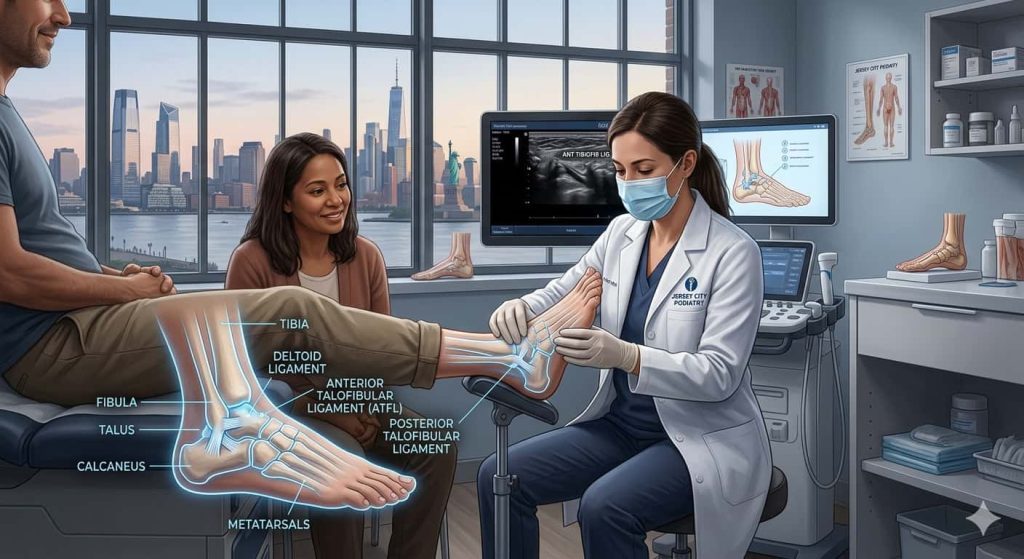
Urban lifestyles contribute to a range of foot and ankle issues, many of which develop gradually due to repetitive stress and environmental factors. Healthcare providers commonly treat conditions such as plantar fasciitis, ankle sprains, arthritis, and sports-related injuries.
Plantar fasciitis, for example, is often caused by overuse or prolonged standing, leading to inflammation of the tissue that supports the arch of the foot. Similarly, ankle sprains frequently occur due to uneven walking surfaces or sudden missteps in busy pedestrian areas. Other common conditions include:
- Tendonitis from repetitive movement
- Stress fractures due to high-impact activity
- Flat feet or arch collapse from poor footwear support
- Joint stiffness linked to arthritis and aging
These conditions may begin as minor discomfort but can worsen if left untreated. Early diagnosis and intervention are essential to preventing chronic pain and long-term mobility issues.
The Role of Preventive Foot and Ankle Care
Preventive care is a key component of modern health and medicine, and foot and ankle care is no exception. Rather than waiting for injuries or pain to develop, preventive strategies focus on maintaining foot health and reducing risk factors before problems arise. In clinical practice, preventive care may include routine foot examinations, gait and posture assessments, custom orthotic recommendations, footwear guidance for daily use, strengthening and flexibility exercises.
For active individuals, athletes, and those with physically demanding jobs, preventive care can significantly reduce the likelihood of injury. Even small adjustments, such as improved footwear or corrective insoles, can make a substantial difference in long-term comfort and mobility.
In urban environments like Jersey City, where daily movement is unavoidable, preventive foot care becomes an essential part of maintaining an active lifestyle.
Sports Medicine and Active Lifestyle Support
Foot and ankle care is especially important for individuals engaged in sports or regular physical activity. Running, basketball, soccer, and other high-impact activities place significant stress on the lower limbs, increasing the risk of sprains, strains, and overuse injuries.
Sports-related foot and ankle care focuses on both treatment and performance optimization. Foot and ankle professionals are evaluating movement patterns, and identifying biomechanical inefficiencies. From here, they begin to design the ideal recovery plan to help patients safely recover and return to their normal activity with common treatments and interventions include:
- Physical therapy and rehabilitation programs
- Bracing and stabilization support
- Injury-specific exercise regimens
- Gradual return-to-play protocols
By combining medical treatment with performance-focused rehabilitation, foot and ankle specialists help athletes recover effectively while minimizing the risk of re-injury. This approach is particularly valuable in urban centers where recreational sports and fitness activities are a major part of community life.
Aging, Mobility, and Long-Term Health Outcomes
As individuals age, foot and ankle health becomes increasingly important for maintaining independence and quality of life. Conditions such as arthritis, reduced circulation, and balance decline can significantly impact mobility if not properly managed. This is the same reason why the interventions for aging populations may include:
- Supportive footwear recommendations
- Balance training and physical therapy
- Pain management strategies
- Regular monitoring of chronic conditions
Maintaining mobility in later life is closely linked to overall health outcomes, including cardiovascular fitness, mental well-being, and social engagement. Foot and ankle care therefore plays a vital role in supporting healthy aging.
Preserving the Quality of Life via Proper Foot and Ankle Care
From managing common conditions such as plantar fasciitis and sprains to supporting athletes and aging populations, foot and ankle care specialists ensure that individuals can move safely and comfortably throughout their lives.
By addressing both prevention and treatment, foot and ankle healthcare supports not only physical recovery but also long-term mobility and quality of life. In a city where daily movement is constant, stepping safely forward depends on maintaining strong, healthy foundations from the ground up.