
Stop Stock Outs Campaign
In the fight against the persistent issue of medicine stockouts, innovative approaches are required to ensure that life-saving drugs are consistently available to those in need. Media and social media campaigns have emerged as powerful tools to address this challenge, integrating traditional and digital platforms to raise awareness, drive change, and mobilize support for a crucial cause.
Combining the strengths of both traditional and social media platforms is a strategic approach to maximize the reach and impact of campaigns addressing medicine stockouts.
Traditional media, such as television, radio, and newspapers, still sway a wide demographic, especially in regions with limited internet access. Social media, on the other hand, provides a global, real-time platform for engagement and interaction.
Creating Engaging and Shareable Content
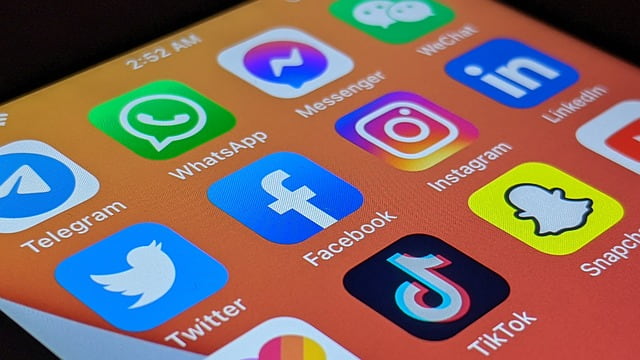
In the era of information overload, capturing the audience’s attention requires crafting informative but also engaging and shareable content. Visual content, such as images, videos, and infographics, is particularly effective in quickly conveying complex messages. These visuals resonate with audiences and are more likely to be shared, thus expanding the campaign’s reach exponentially. Platforms like Instagram, TikTok, and YouTube provide fertile ground for such content to flourish.
Pushing for Policy Changes and Regulatory Improvements
Media and social media campaigns are not just about raising awareness; they can also be potent forces for change. By leveraging their reach, movements can pressure policymakers and regulatory bodies to address the systemic issues contributing to medicine stockouts. Strategic messaging, informed by data and expert opinions, can highlight the urgency of policy changes and advocate for improved regulations that ensure the consistent availability of essential medicines.
Role of Personal Stories in Driving Support and Change
Personal stories have an innate ability to humanize complex issues, making them relatable and compelling. By featuring individuals directly impacted by medicine stockouts – patients, healthcare workers, and caregivers – campaigns can foster empathy and urgency among audiences. These stories drive home the tangible consequences of stockouts and create emotional connections that motivate action. Sharing personal experiences also empowers individuals to raise their voices and demand change from their communities and governments.
In conclusion, media and social media campaigns are invaluable tools in the fight against medicine stockouts. By combining traditional and digital platforms, creating engaging content, advocating for policy changes, and sharing personal stories, these campaigns can galvanize global support for a crucial cause.